Over the past year, Bluetti power stations have gone through one of the more interesting transformations in the portable power industry.
If you’ve been watching our videos and reading our articles for a while, you’ll know there was a time when we were extremely critical of the brand. We directly called out reliability issues, design decisions, and significant user experience problems.
That criticism didn’t go unnoticed either. Bluetti wasn’t exactly thrilled with our reviews, and for a while, it felt like there was a clear divide between what they were producing and what we were willing to recommend.
Fast forward to 2026, and things look very different. We’ve found ourselves recommending newer Bluetti portable power station models, including the Elite 400, Apex 300, and a few others. That raises a fair question: what changed?
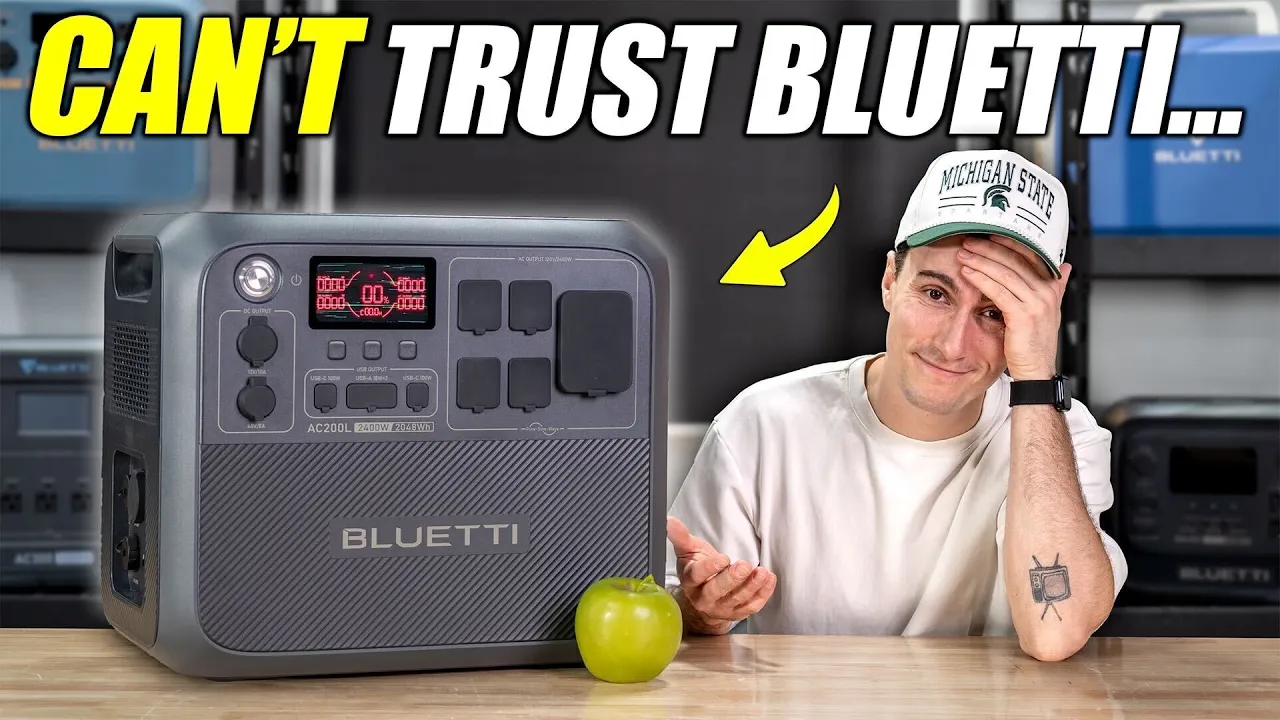
To answer that honestly, we went back and re-tested an older unit: the Bluetti AC200L power station. What we found didn’t just highlight our past experiences, it explained exactly why Bluetti’s reputation used to be what it was, and why you still need to be careful today.
The Bluetti AC200L isn’t a new release. In fact, it’s been sitting on a shelf here for a couple of years. Like a lot of older Bluetti solar generator units, it was once part of their core lineup before newer models began replacing it.
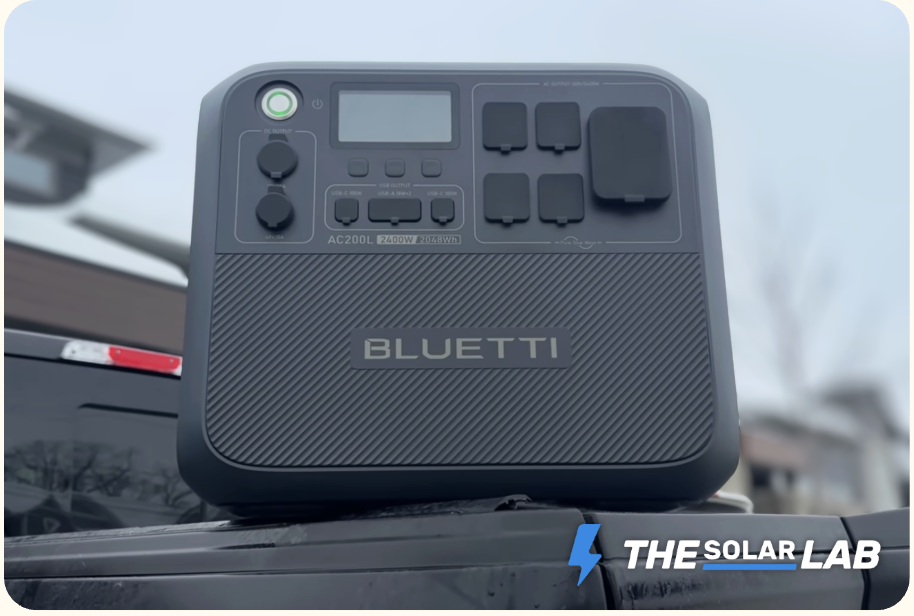
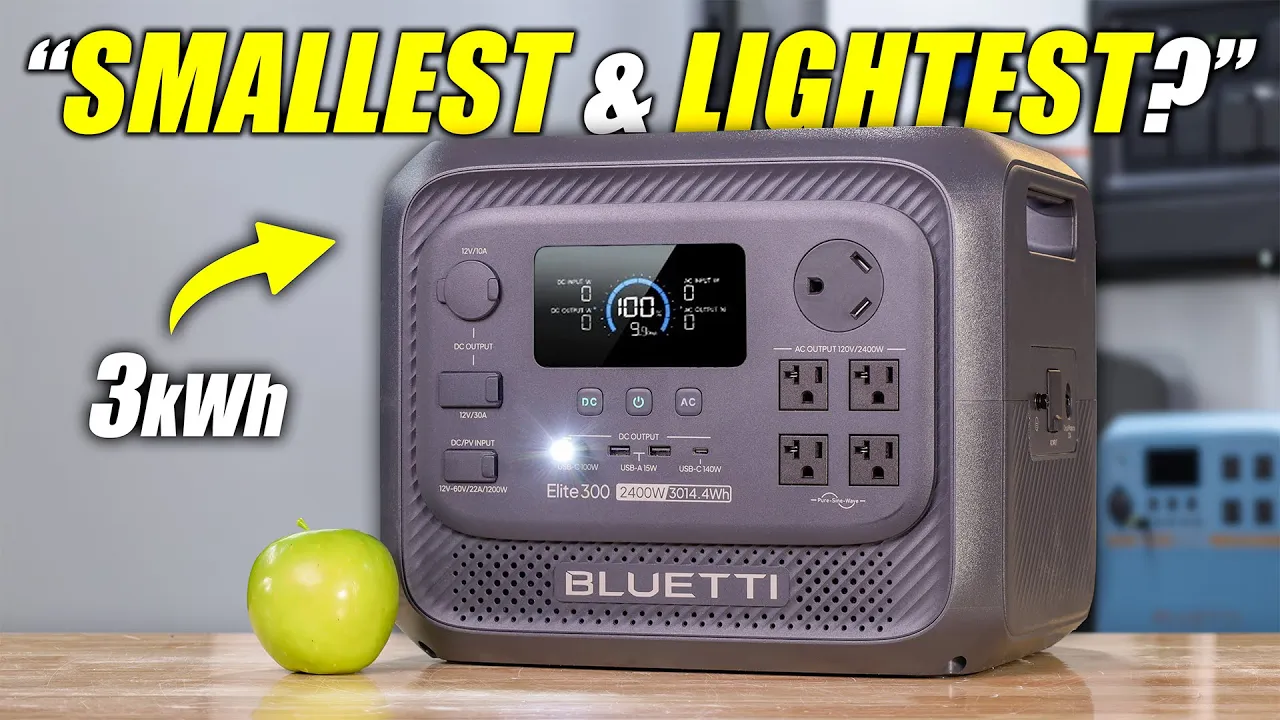
The main reason we wanted to test this specific model is because we recently reviewed the Bluetti Elite 300, which Bluetti claims is an updated evolution of the AC200L.
At first, everything looked promising. We ran the Bluetti AC200L through the same standardized tests we use for every power station, including testing the charge speeds, discharge performance, surge capabilities, idle consumption, and basic load testing. We do these tests to simulate everyday use and real-world stress scenarios.
And for a while, the unit performed exactly as expected. There were no immediate red flags, and the unit seemed to be working exactly as it should.
If we stopped there, the conclusion would have been that this older Bluetti power station was still a solid buy, especially given you can usually pick it up at a discounted price. Unfortunately, that wasn’t where the story ended.
After most of the testing was completed, we were starting to shoot some footage of the unit for our video review. The Bluetti AC200L was plugged into the wall charging. Then, without warning, everything went wrong.
The display screen began flashing error codes, and the built-in LED lights started behaving erratically. What had been a fully functional unit throughout our testing suddenly turned into something unusable.
When we checked the diagnostics through the Bluetti app and looked up the codes being displayed on the screen, we realized the errors were pointing to serious internal failures:
These aren’t minor issues. The BMS is essentially the brain of any portable power station, as they manage charging, discharging, safety limits, and overall battery health. When it fails, the entire system becomes unreliable or completely non-functional.
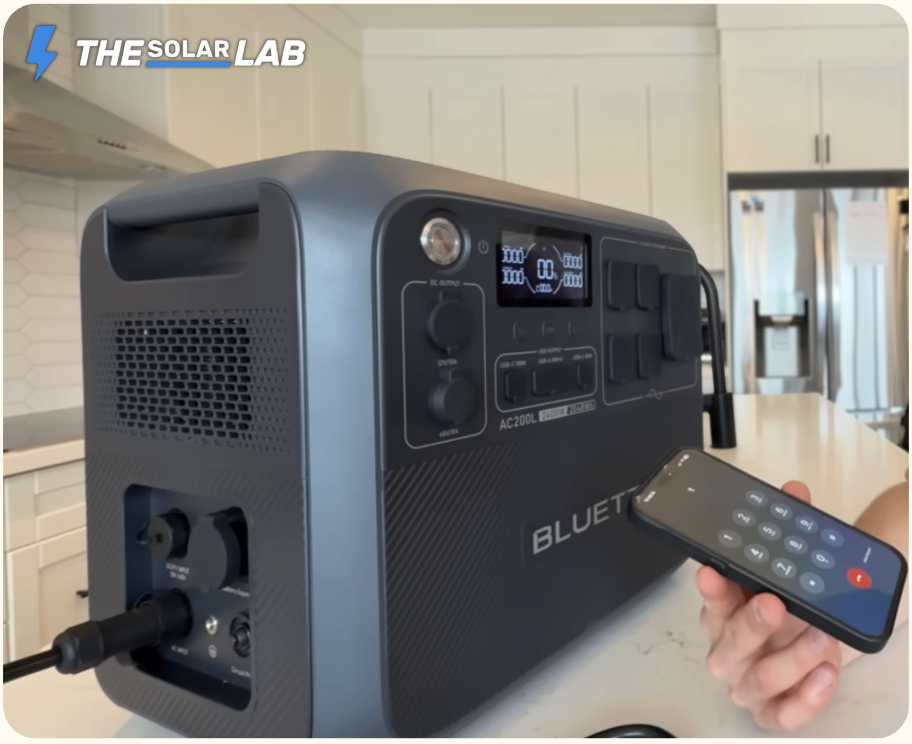
We contacted Bluetti’s customer support in hopes that there would be a simple fix, but there wasn’t. Their support team’s response was pretty blunt: the unit had failed internally, and the only solution was a full replacement. No reset procedure or firmware fix, just a unit that was pretty much useless.
That kind of sudden and permanent failure is pretty inexcusable for a unit that comes in at around $1,000, especially when it was very lightly used. Sure, we had this unit for a couple of years, but it pretty much just sat unused in storage.
This poor reliability, and fairly unhelpful customer support, are exactly the types of things we experienced when we tested older Bluetti models, like the Bluetti AC500 and smaller AC300.
Basically, this experience brought everything full circle and reminded us why we were so critical of Bluetti in the first place
Some of the first units we ever tested were Bluetti power stations. During those early days, Bluetti had a pattern of issues that made it difficult to recommend their products with confidence.
The biggest concern wasn’t just that problems occurred, it was how they occurred. With some brands, like Jackery and EcoFlow, you might see gradual degradation or minor bugs that can be worked around.
With older Bluetti power stations, failures seemed to come out of nowhere and they were usually catastrophic. Units could go from fully functional to completely unusable with little warning.
That unpredictability is a serious issue, especially for a product that’s often marketed as a backup power solution. If you’re relying on one of these units during a blackout or emergency situation, you need it to work every time, not just most of the time.
Admittedly, we were extremely harsh on Bluetti in the early days. In fact, we even received pushback from viewers who assumed the issues could have been user errors or isolated incidents.
Bluetti even blacklisted us for a while, refusing to send us products for testing. It was so bad that they refused to even talk to us at a CES trade show event.
Honestly, that experience left us wondering if we had been too harsh on the brand in the past, but revisiting the AC200L reinforced that these problems were real, and we did the right thing in telling our audience to avoid them.
The most important takeaway from revisiting the AC200L isn’t just that it failed (in spectacular fashion), it’s that newer Bluetti power stations don’t seem to have the same problems. That’s a big deal, especially in a fairly young industry where most brands have been around for less than a decade.
If we immediately wrote-off every brand that we had negative experiences with, we’d quickly run out of power stations to review. There has to be room for redemption, but only if it’s earned.
Here’s how Bluetti seems to have stepped its game up over the past year:
One of the most noticeable changes with newer Bluetti power stations is their overall reliability. The newer models we’ve tested, like the Bluetti Elite 400, have performed exactly as they should under some seriously harsh testing and regular use.
We haven’t seen the same kind of serious failures that were way too common with their older units. That alone has gone a long way toward rebuilding trust.
Greater reliability also suggests that Bluetti has made meaningful improvements to internal systems like the BMS and overall quality control. The newer power stations even feel more solid, like the brand recognized the fact that durability had been an issue in the past.
Older Bluetti units, including the AC200L we looked at, relied heavily on proprietary cables and connectors.
Almost all of your charging cables were Bluetti-only accessories. This isn’t just a matter of convenience; it created long-term usability issues. If you lost a cable or Bluetti stopped supporting that model, you could be stuck with a unit you couldn’t use.
While there are some exceptions, other brands were using generic cables that you could order from places like Amazon for dirt-cheap prices. Bluetti forced you to use their accessories.
However, newer Bluetti models seem to be moving toward standard cables and input ports, which makes them a lot more budget and user-friendly. You can replace cables easily, integrate your power station into an existing backup power setup, and avoid being locked into a single ecosystem.
That’s a major improvement for anyone investing in a Bluetti solar generator today.
We already touched on this, but another major area where Bluetti has improved is customer support. In the past, getting any type of help was incredibly frustrating. It was difficult getting a hold of anyone, and even when you did, the technical knowledge of the support staff was very limited.
Don’t get us wrong, Bluetti’s current support still lags behind brands like Anker SOLIX, but when we called about this AC200L issue, they responded quickly and offered a replacement.
Having them offer a replacement doesn’t come close to eliminating the inconvenience of spending your money on a failed unit, but it does show progress for the brand as a whole. There’s now a system in place to help customers resolve issues, which wasn’t the case before.
Perhaps the most interesting change is how Bluetti approaches product design.
Instead of trying to design and market each unit as “the best power station,” they’ve started creating more specialized products.
Units like the highly expandable Apex 300 and the high-capacity Elite 400 are designed for specific use cases, rather than trying to appeal to everyone. You’ve even got the Bluetti Pioneer Na, which has a unique salt battery that is supposed to help with cold weather performance.
Let’s take a look at the Elite 400 as an example. It has a relatively small inverter, but a high battery capacity and built-in wheels. For someone just looking to charge the essentials during an outage, that’s pretty much the perfect combination. You get lots of stored power, but you’re not paying for a powerful inverter that you don’t need.
Again, Bluetti isn’t saying the Elite 400 is the best power station you can buy, but it has specifications that would work extremely well for certain applications.
That shift towards meeting niche applications has made their lineup more competitive. It also aligns them more closely with other major players in the space like EcoFlow, Anker, and even budget-focused brands like Pecron, all of which offer targeted solutions at different price points.
Even with all these improvements, there’s one key takeaway: buying an older Bluetti power station can still be a gamble.
The AC200L is a perfect example. It passed all of our testing, performed exactly as advertised, and then failed without warning. That’s not the kind of behavior you want from a backup power system.
Even if you find these older models at a discount, you’re taking on a risk. Even outside of the potential for a sudden failure, there’s limited repair options, you have to deal with proprietary plugs, and there are just way better options out there, like some of the more budget-friendly Pecron power stations.

Revisiting the Bluetti AC200L Power Station was a mixed experience. While it served as a reminder of why Bluetti struggled with trust in the past, it also highlights how far they’ve come since then.
Today, Bluetti is producing some genuinely competitive options in the portable power station space. But that progress doesn’t mean every product is a safe bet. There’s no doubt the brand has improved, but Bluetti power stations should be viewed on a product-by-product basis.
Honestly, we’d just recommend sticking with the newer, proven models, while avoiding older units, like this AC200L. If we recommend a Bluetti power station, you know that it’s because we’ve run it through our own testing, and used it long enough to know it’s reliable.
Remember, when it comes to backup power, the only thing that really matters is whether it’s going to work when you need it, and that just can’t be said for older Bluetti power stations.

We test solar products so you don’t have to. Check out our opinions and which units we think are worth your money and which ones aren't.
More Reviews >