When disaster strikes, the last thing you want is to be left in the dark. Power outages, blackouts, and extreme weather conditions can leave unprepared homeowners and communities scrambling for reliable backup power.
On top of that, there is always the threat that the grid will fail due to high demand, disrepair, or even more serious reasons, like a hostile cyber attack aimed at the power grid. We saw what a serious grid failure looks like during the Texas power crisis in 2021 (and little has been done to prevent it from happening again).
While emergency and disaster preparedness is not the only reason why homeowners invest in solar equipment, it is becoming a growing motive for going solar. After all, who wouldn’t want to enjoy the peace of mind that comes with having your own off grid power source?
By harnessing the power of the sun, residential solar energy systems provide more than just inexpensive electricity; they offer a dependable lifeline during emergencies. Best of all, using solar for emergency prep doesn’t have to be complicated or expensive!
Let’s explore how solar power can enhance your emergency preparedness plan, keep your home powered when the grid fails, and give you that extra level of comfort and security when the power goes out.
When the grid goes down, having limitless access to a renewable energy source like solar power can make all the difference. Here’s why:
Traditional grid power sources often fail during natural disasters. Power lines can be knocked out by hurricanes, ice storms, and wildfires, leaving entire communities without electricity.
Residential solar energy systems, especially those with adequate battery storage, provide a reliable source of electricity that is completely independent of the grid.
We even ran a test scenario to see if we could survive a 24-hour outage just with an Anker F3800 Power Station and some solar panels. Spoiler alert: this simple setup handled the outage with ease!
Tests like this prove even a basic backyard setup or a portable power station paired with solar panels can give you access to power when your home’s outlets fall flat.
You don’t have to fully run your home on solar power to benefit from solar power either. Just having enough power to run and charge the essentials, like your fridge, phone, heater, and medical equipment can make a huge difference!
Solar panels are designed to function in a variety of weather conditions. While they don’t generate energy during the night or in extreme weather, a properly sized solar energy system with proper battery storage ensures uninterrupted access to electricity even when the sun isn’t shining. This makes solar energy a cornerstone of disaster resilience.
Plenty of people who are completely new to solar technology just assume that solar panels won’t work during the winter months, or even just on cloudy days, but that’s actually a huge misconception. We even tested our own solar panels on a cloudy day in the middle of the winter and they still kept producing plenty of usable power.
Having the ability to weather the storm (pun intended), can be a strong justification for investing in a basic solar backup system.
Aside from prepping for emergencies, having your own reliable source of power also means you do not have to rely solely on grid power. Even other independent sources of power, like gas generators, rely on burning fuel to generate power. If you run out of gas, you’re screwed.
On the other hand, your solar panels keep producing power from freely accessible sunlight, giving homeowners an independent and fully sustainable energy solution that works during and outside of disasters. Save money on electricity and fuel while disaster-proofing your home. It’s a win-win.
You also don’t have to choose one or the other, we’ve demonstrated how you can pair a portable power station with a cheap gas generator to have a more robust backup power setup: Gas Generator or Power Station - Why Not Both?
Power outages are more than just an inconvenience, they can be life-threatening, especially in extreme weather conditions and climates.
Given that solar energy systems can provide homes with lasting emergency power, ensuring that your critical appliances and devices can draw power when you need them most, they can be the best investment you ever make in keeping your home safe and secure.
If you’re still not convinced, here’s just a quick overview of the ways a solar power system can help you:
If your solar system is paired with the right battery storage, you can pull power during blackouts, even if they occur at night. As you’d expect, your batteries store excess solar energy that is generated during the day, allowing you to power your home at night or during outages. You can build your battery bank to be as large as you need it to be.
From a basic power station that stores a few hundred watt-hours of power for charging phones and running lights, to a 15+ kilowatt-hour battery bank that you can use to run kitchen appliances and heating, having this fully independent source of stored power can be a game-changer when the grid goes down.
If you’re unsure how big your battery bank should be, we have a simple guide: How Many Batteries Do You Need to Power Your Home?
Even a small solar energy system can keep essential devices running, including your refrigerator, which is one of the main appliances you will want to keep running during an emergency. You may assume that you need a full whole-home solar power system to run these types of appliances, but something like a kitchen fridge actually uses far less power than you may think.
Beyond your fridge, having backup solar power available means that you can run medical equipment, lights, space heaters, fans, and stay connected by charging your communication devices and running your Wi-Fi router.
This is particularly important during disaster relief operations, where being able to receive evacuation orders and stay connected to first responders can be the difference between life and death.
If you’re completely new to solar, you’ll probably be relieved to learn that building your own emergency preparation solar system is actually a lot easier than you might think.
You only really need four main components, and with retailers like Shop Solar and Signature Solar carrying all-in-one DIY solar kits that come with everything you need, building your own solar power system is easier than ever before.
On top of that, you can also invest in a portable power station, or “solar generator”, which is a self-contained power system that only needs to be connected to solar panels to give you access to stored solar power.
If you are interested in building your own system, here are the key components that you’ll need to get started:
If you’re not ready to invest in a full residential solar system, either because it’s too expensive or too complicated, a portable power station paired with solar panels can act as a more practical and basic backup energy solution.
These self-contained units are perfect for powering essential devices like phones, laptops, and small appliances during a disaster relief effort or a prolonged power outage.
This is because these units contain a built-in battery, power inverter, and charge controller, so all you need to do is pair them with solar panels to have everything you need in one place. Plus, they also have built-in outlets, so you can plug your appliances and devices directly into them.
As if they weren’t user-friendly enough, most are designed with portability in mind. From compact units that you can easily carry to larger units that have built-in wheels and suitcase-style handles, power stations give you everything you need in one place.
If you purchase a kit that bundles a high-capacity power station with the right solar panels, you have a simplified plug-and-play system that’s ready to go in minutes.
If you’re unsure where to start, check our guide: How to Choose a Portable Power Station
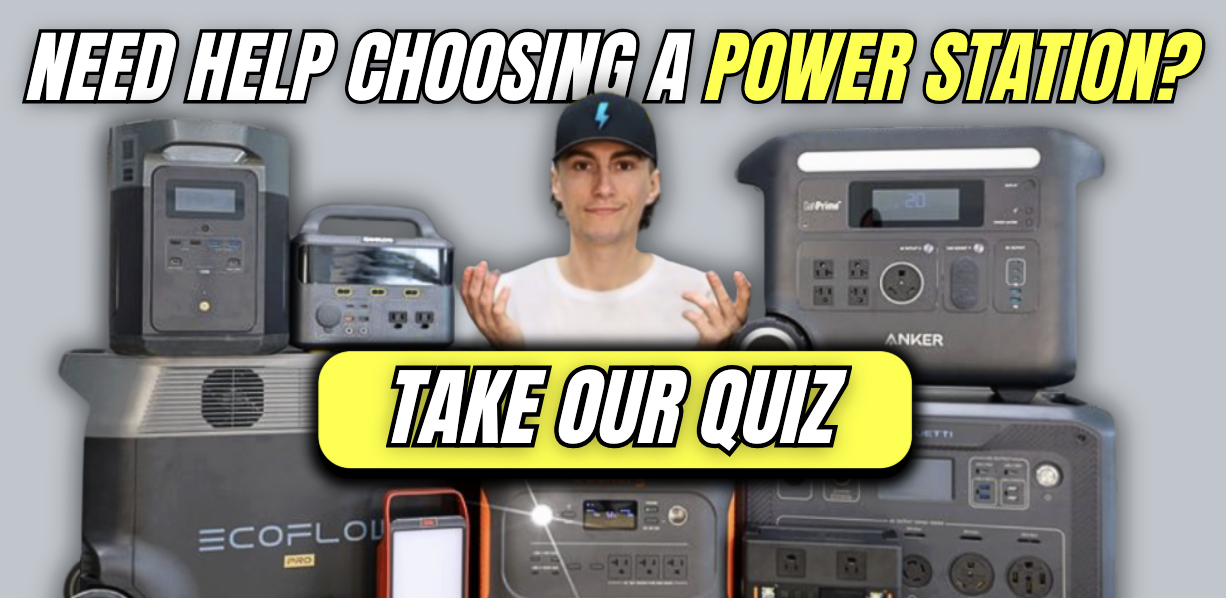
Given how affordable and user-friendly they are, power stations are very practical tools for emergency prep, especially when they are paired with solar panels. However, choosing the right power station can be the difference between sitting in the dark and riding out an outage with confidence.
For smaller, more portable needs, think phones, laptops, CPAPs, lights, and the occasional mini-fridge, power stations with a battery capacity under 2,000Wh usually hit the sweet spot.
Super cheap and lightweight units like the Anker SOLIX C300X and EcoFlow River 3 Plus excel for weekend kits or grab-and-go emergency bags, with enough capacity and ports to keep essentials running without weighing you down.
Stepping up a bit, the Pecron E1000LFP delivers about 1,024Wh of storage and an impressive 1,800W inverter, which makes it a standout budget choice for longer outages while still staying manageable in size.
Closer to the 2,000Wh range, options such as the Bluetti Elite 200 V2 or older EcoFlow DELTA 2 Max strike a solid balance of power, runtime, and everyday versatility. Units like this are capable of handling everything from lights and charging portable devices to running small kitchen appliances during a blackout.
These mid-size stations also have reasonably high solar inputs, so they pair well with folding solar panels for extended off-grid performance, giving you flexibility whether you’re camping or facing an unexpected power interruption. Check our full best small power station roundup if you’re looking for other options.
For more serious home backup and multi-day outages, you’ll need a power station with a more powerful inverter and higher capacity battery, especially if you’re serious about emergency prep.
Heavy hitters like the Anker SOLIX F3000 Plus, EcoFlow DELTA Pro 3, and even the budget-friendly Pecron E3600LFP 240V Bundle start give you over 3,000Wh of battery storage and they can be expanded to build out a system that has tens of thousands of kilowatt hours.
With hugely powerful inverters and 240V capabilities, they’re solid picks for powering major appliances, HVAC systems, or entire off grid cabins without grid power.
If you want true whole-home capability with 240V support and massive expansion potential, units the EcoFlow DELTA Pro Ultra and Bluetti Apex 300 offer huge base battery capacities with stackable batteries and high-output inverters. This means they can handle even demanding loads like ovens, well pumps, and more.
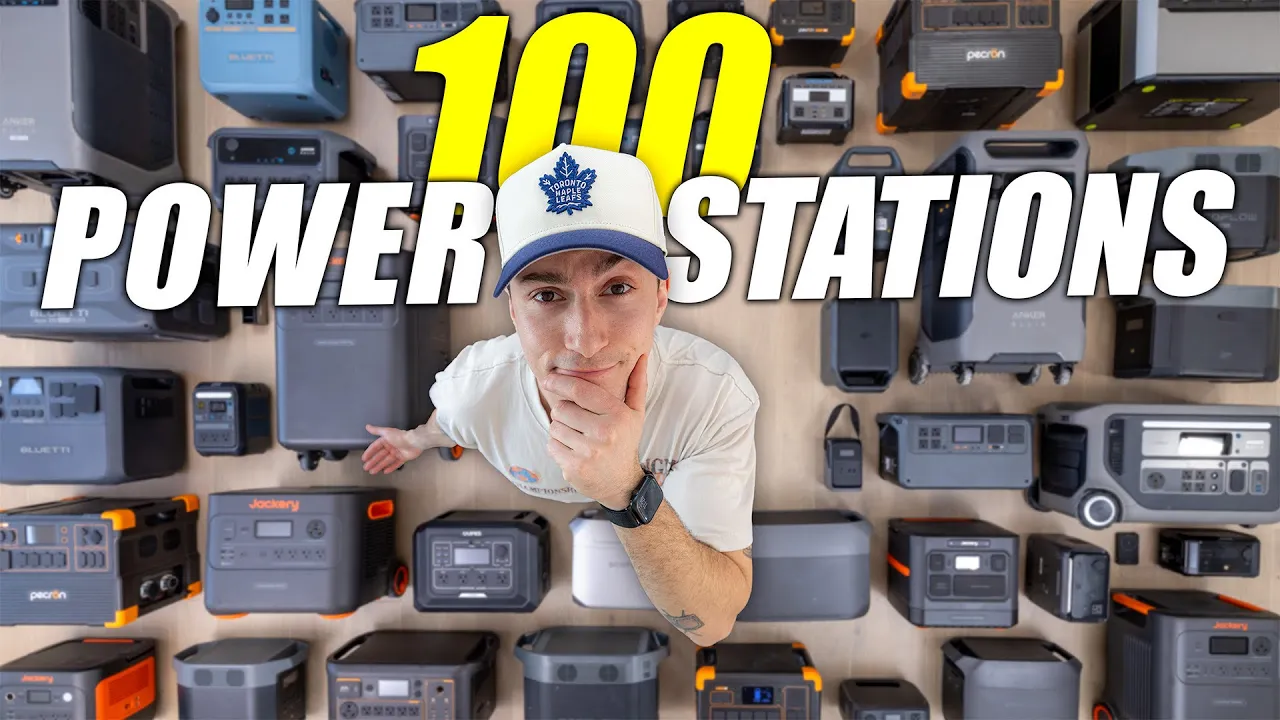
For many preppers, these larger power stations double as the core of a resilient solar backup setup, as they’re silent, fuel-free, and ready to keep your lights on long after traditional generators have run out of gas. Plus, all of the units mentioned above were tested by us to ensure they actually work as advertised.
You might also want to read this guide: What Size Power Station Do You Need for Home Backup?
When it comes to energy in disaster preparedness, solar power is a versatile and dependable solution. By integrating solar power into your home’s emergency preparedness plan, you’ll gain access to electricity anytime and anywhere.
You also sever your day-to-day reliance on the grid, ensuring your household experiences as little disruption as possible when traditional power sources fail. From keeping your fridge running to staying connected through your Wi-Fi router and smartphone, having this type of off-grid backup power can make everything easier and safer.
Given that you can easily pick up a basic power station and folding solar panels for under $500, it’s a low-cost investment that is well-worth the peace of mind it can provide.
No one can predict when the next natural disaster or long-term power outage will occur, but you can prepare for it. A solar power system isn’t just a smart choice for daily savings on electricity costs, it’s a critical tool for emergency preparedness, disaster relief, and long-term resilience.
Whether you’re looking to power your home through the next blackout or ensure you and your family can stay safe and connected during a disaster scenario, solar power can be your ultimate energy solution.
If you are ready to take the next step, we have plenty of product reviews and beginner-friendly guides that can help you build and invest in the right solar system for your needs!
Signature Solar: https://signaturesolar.com/solar-kits...
Use Code: SOLARLABGET50 for $50 Off Your Order
Shop Solar: https://shopsolarkits.com/solar-power-systems...
Use Code THELAB for 4% Off Your Order
Explore more practical tips, guides, and insights to help you get the most out of solar
More Resources >