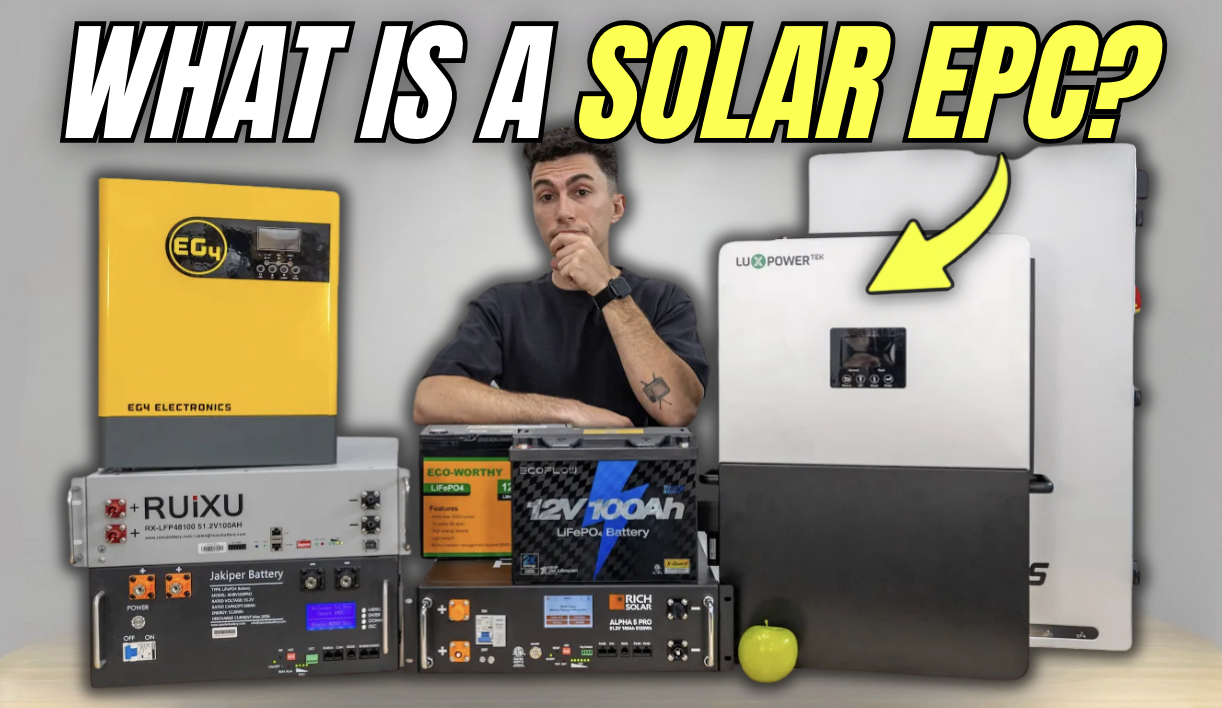
Solar EPC companies design, source, and install complete solar power systems, but they aren’t the only way to go solar.
If you’ve been looking at getting a solar power system for yourself, you’ve probably come across EPC solar contractor advertisements, as well as terms like solar EPC and EPC solar project plans. Solar installers and solar EPC services are really common, but a lot of homeowners aren’t exactly sure what they are, or if they’re even relevant for their needs.
In simple terms, a solar EPC is a company responsible for engineering, procuring, and constructing a solar power system from start to finish. Instead of hiring multiple contractors to design a system, purchase equipment, and install everything for you, an EPC contractor manages the entire project.
This approach is very common for large, whole-home solar projects, but it’s not the only option anymore. Thanks to the growing popularity of DIY solar systems and complete solar kits, many homeowners are choosing to build their own systems instead of hiring a full EPC contractor.
In this guide, we’ll explain the meaning of a solar EPC, how EPC solar projects work, and why some people choose to go this route, while others go with a DIY approach.
The term EPC solar refers to a project structure used to design and build solar energy systems. The term EPC is an acronym that stands for:
A solar EPC contractor manages these three stages of a solar project under a single agreement. Instead of coordinating multiple companies for different parts of the process, the EPC contractor oversees the entire project from planning to the point that the equipment is installed and running.
Since everything is covered under one contract, solar EPC projects are often called “turnkey” solar projects. Once the project is complete, the solar power system is fully operational and ready to generate electricity.
This model is widely used for commercial solar systems, large residential installations, and even utility-scale solar farms, where managing multiple contractors could quickly become complicated and expensive.
To be completely honest, a solar EPC sounds a lot more technical than it actually is. Basically, the process behind any solar power system installation involves the same three steps: design, equipment sourcing, and installation. The EPC model simply bundles those stages together under one contractor.
Here’s what the three steps actually look like when you go with a solar EPC:
The first phase of any EPC solar project is engineering. This is where the system is designed and sized according to the client’s power requirements, budget, and available space.
During this stage, the location where your solar system will be installed is inspected. They’ll analyze the amount of sunlight the site receives, the available roof or ground space, and how much power you actually need.
From there, they’ll design a system capable of generating the required amount of solar electricity. This process is also when they will size the equipment needed for your system.
From sizing your solar panels, power inverter, batteries, and mounting hardware, everything is done for you and in a way that will meet your needs. Proper engineering ensures the system operates safely and efficiently once installed.
If you’re curious how solar power system sizing works, or you’d prefer to go the DIY route, we have in-depth guides and videos that cover these topics:
Once the system design is complete and all of the components have been sized, the project moves into the procurement phase. This is just the process of sourcing and purchasing the equipment needed to build the system.
This includes solar panels, mounts, inverters, wiring and other electrical components, a battery storage system, solar charge controllers, and anything else required for that particular build.
Most companies that offer EPC services have trusted brands and distributors they work with, so it’s not like they’re shopping around for the best deals from multiple different brands and retailers. Instead, the EPC contractor will usually coordinate the logistics of equipment delivery from their distributor.
While this procurement method can mean the client ends up paying a bit of a premium, it’s almost always high-quality equipment that is designed to last. After all, no solar EPC company wants to install unreliable equipment that will only end up requiring regular maintenance.
The final stage of an EPC solar project is construction, which is when the solar power system is installed on-site.
During this phase, your EPC technicians will:
Once the installation is complete, the system goes through a commissioning process. This involves testing the equipment, verifying safety protections, and confirming that the solar system produces the expected amount of solar electricity.
After commissioning, the system is officially activated and begins generating power. While EPC agreements vary, most provide some sort of maintenance and monitoring service, as well as long-term tech support after installation.
The main reason the EPC model exists is pretty simple: most people assume building and installing a solar power system is a complicated process that involves a lot of highly technical decisions.
Designing a system, sizing components, ensuring equipment will be compatible, sourcing everything, and then the final installation is just more work than a lot of people want to worry themselves with. While we always try to promote DIY solutions, this stuff can be complicated, especially for people who don’t have the time to do everything themselves.
The EPC model simplifies the process by placing one contractor in charge of the entire project. The homeowner or business owner only needs to deal with a single company that is responsible for designing and delivering the finished system.
For bigger installs, the EPC contractor can also handle permit acquisition and maintenance support, which can simplify the entire process.
Although EPC solar projects are common, they aren’t always the most cost-effective option for homeowners.
A full-service solar installation often includes significant labor costs, engineering fees, and contractor margins. Plus, you don’t have the flexibility to choose more budget-friendly components when a contractor is purchasing the equipment on your behalf.
For people who are comfortable working with electrical systems, installing solar panels themselves can dramatically reduce the total cost of a system.
DIY solar has grown rapidly in recent years thanks to the availability of beginner-friendly inverters, modular lithium battery storage systems, and pre-designed solar kits. All of this makes it easier for homeowners to assemble a reliable solar system without needing a full EPC contractor.
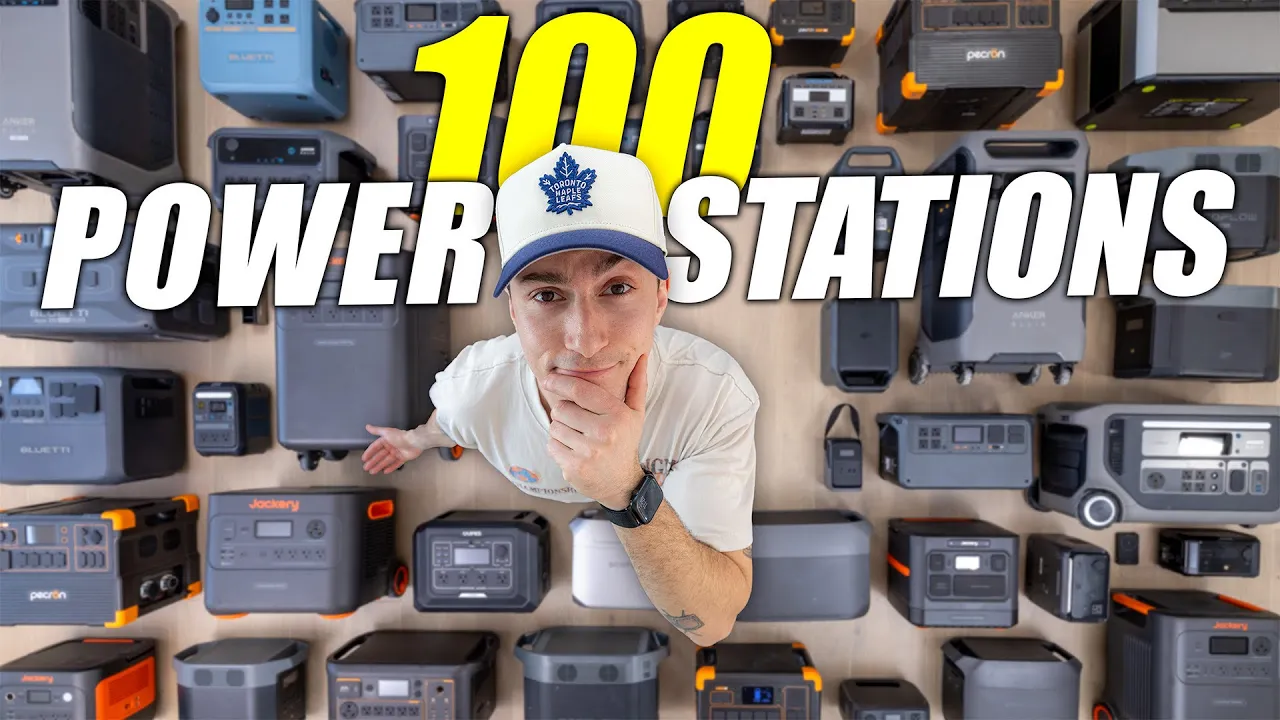
Plus, high-capacity portable power stations now give you the option to purchase an all-in-one solar system that can be expanded with your power needs. For example, take something like an EcoFlow DELTA Pro Ultra X or an Anker SOLIX F3800 Plus. Both of these units have the battery capacity, output power, and solar inputs needed to act as fully independent solar power systems.
Another advantage of going the DIY solar route is flexibility. When building a system for yourself, you can choose the exact components you want rather than using whatever equipment an installer prefers (or gets the best margins from). Not only can shopping for deals help you save money, choosing the components you want from the brands you prefer can make it easier to upgrade or expand the system in the future.
Many people also enjoy learning how their system works. Understanding the wiring, battery storage, and inverter configuration makes troubleshooting and future upgrades much easier.
For people who want to avoid the complexity of designing a solar system but still save money, solar kits have become a popular middle ground.
Solar kits typically include all of the major components needed to build a system, including solar panels, an inverter, wires, connectors, and batteries. Some even include a ground mount, so you can fix your solar panels in place. Because the components are designed to work together, the system planning has already been done for you.
Reputable retailers, like Signature Solar and Shop Solar, sell solar kits in various sizes and configurations. Whether you need a grid-tied, off-grid, or hybrid system, they carry solar kits that allow you to easily put together your own system.
Again, going with an all-in-one solar kit enables homeowners to install a solar system without the engineering process required with a traditional EPC project. Plus, bundling the components together often means the retailers are able to offer lower prices than if you were to source each component separately.
The choice between hiring a solar EPC contractor or building a system yourself ultimately depends on your goals.
Large residential installations and commercial systems often benefit from EPC contractors because they simplify project management and give you the peace of mind that comes with professional installation. On top of that, large, complicated systems usually come with bigger headaches, so it’s always beneficial to have a professional service that can handle warranty and permit issues on your behalf.
On the other hand, smaller systems, like basic off-grid setups, home backup power systems, and cabin installations, are relatively simple, so they are suitable for DIY solar builds. Budget also plays a major role. Hiring an EPC contractor typically costs more, but it also reduces the amount of work required from the system owner.
DIY solar systems require more effort and a little bit more technical knowledge, but they can significantly reduce the cost of going solar. Plus, we’re here to help you understand the basics with our product reviews and how-to guides.
A solar EPC is basically just when a company handles the engineering, equipment sourcing, and installation of a solar energy system for you. It’s a turnkey approach that simplifies the process for customers who want a fully managed solar installation.
However, EPC isn’t the only path to solar anymore. With the rise of DIY systems and budget-friendly solar kits, a lot of people are choosing to take a more hands-on approach. Not only is DIY solar easier than ever, it can help you save money and gain a deeper understanding of how your system actually works.
As with all things solar, the best approach is going to be the one that fits your goals, budget, and lifestyle. Whether that means hiring a solar EPC contractor or building a system yourself, the important thing is understanding how the pieces fit together, and making an informed decision before you invest.
Signature Solar and Sun Atlas Power: https://signaturesolar.com/sun-atlas-power
Signature Solar: https://signaturesolar.com/solar-kits
Use Code: SOLARLABGET50 for $50 Off Your Order
Shop Solar: https://shopsolarkits.com/collections/solar-power-systems
Use Code: THELAB for 4% Off Your Order
Explore more practical tips, guides, and insights to help you get the most out of solar
More Resources >