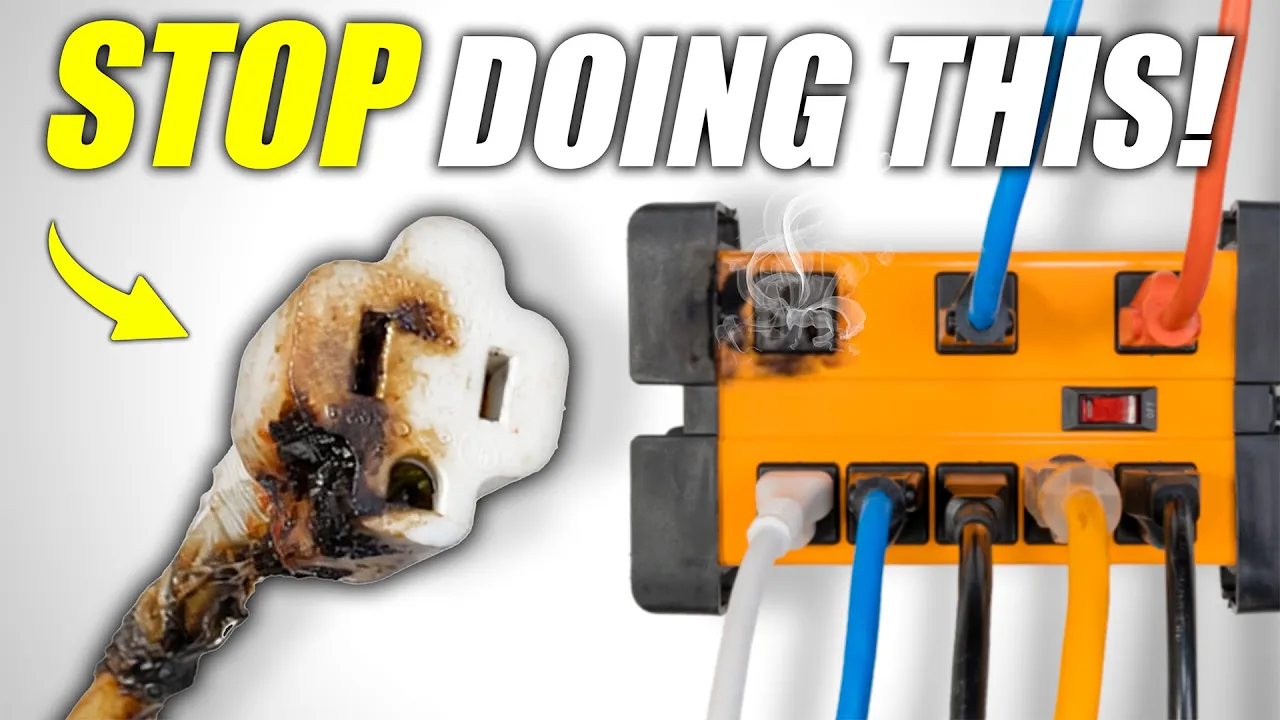
One of the biggest misconceptions we see is the idea that if nothing trips, everything must be fine.
It’s easy to assume that if your outlet or power station is rated for 20 amps, and the breaker hasn’t shut anything down, then your setup is safe.
However, that assumption ignores something that’s really important: the breaker is designed to protect the wiring inside your walls or the internal components of your power station, not the extension cord you plug into it.
That means it can look like your system is operating normally, but your extension cord is quietly generating a dangerous amount of heat in the background.
The breaker and battery management system has no way of knowing that the wire you plugged into your power station can’t handle the load. The same applies if you just plug an improperly sized extension cord into any of the wall outlets inside your home.
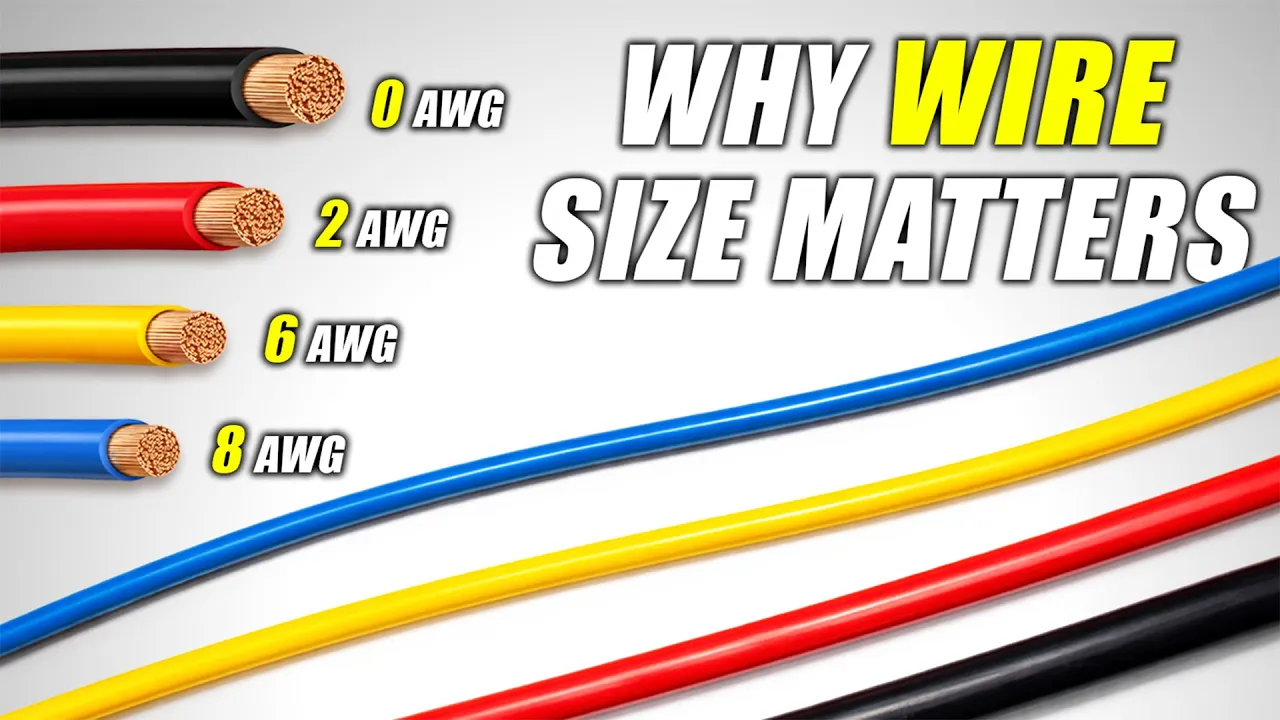
The issue comes down to wire size, which are rated according to the American Wire Gauge (AWG) in North America.
Most extension cords you’ll find at a typical hardware store are 16 AWG. Chances are, this is the same type of extension cord you have in your basement or storage shed.
And while extension cords made using 16-gauge wire are fine for light-duty tasks like charging devices or running small electronics, they’re typically only rated for around 10 to 13 amps under normal conditions.
Now compare that to a power station, which can often deliver 15 to 20 amps through one of its built-in outlets and you can see where things get mismatched.
Instead of tripping a breaker, the cord will just heat up due to electrical resistance. Basically, the wire is working harder than it’s rated for, and that extra effort turns into heat.
This isn’t going to cause some sort of dramatic or immediate reaction, like open sparks or flames, which is exactly why so many people don’t even notice it’s happening. However, over time, all of that heat passing through the cord can build up and become dangerous.
Unlike something designed to generate heat, like a space heater, an extension cord doesn’t have any built-in safety features to manage that heat. There’s no airflow, no shielding, and no protection if the cord is pressing up against flammable materials.
Let’s say you’ve got your extension cord tucked under a rug, pulled behind furniture, or bundled up somewhere, the risk increases significantly.
If you want to learn more about wire gauges and how they related to backup and solar power systems, you can read our guide: Sizing Wire Gauge for Solar Power Systems
Another factor people overlook is the length of the extension cord. The longer the wire, the more resistance it has, which means it will generate more heat.
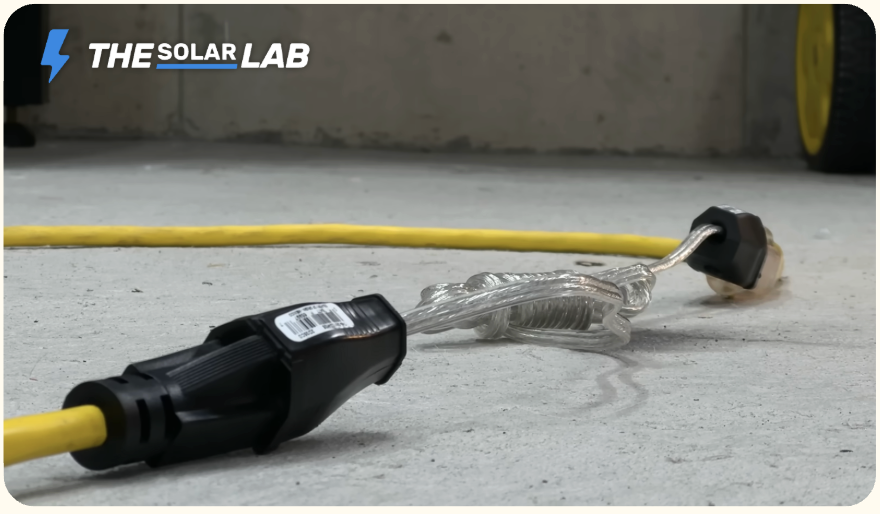
Most people just assume that a longer extension cord is better, as it can reach further than a short, inexpensive cord. However, the extra length alone can be enough to create serious issues, especially when you’re running higher loads.
Things get even worse when the cord is coiled, tangled, or partially wrapped. Unfortunately, this is extremely common with retractable reels or long cords where only a portion of the cord is pulled out. These can help save space and reduce tripping hazards, but they’re also really dangerous.
Basically, when electricity flows through a tightly wound cable, the heat has nowhere to go. Instead of dissipating into the surrounding air, all of that heat gets trapped inside the coil of cable, which will cause temperatures to rise to dangerous levels really fast.
This isn’t just a theoretical issue, it’s one of the most common causes of electrical fires, especially in places like garages, cabins, tiny homes, and workshops where people rely on “temporary” extension cords for much longer periods. You may just think an extension cord tucked around your work bench does the trick, but that cable could be increasing your risk of a serious fire.
Beyond heat, lengthy extension cords that aren’t sized to have the correct gauge can also cause voltage drop, which introduces another layer of risk.
When voltage drops, certain appliances will draw more current to compensate. That increase in current puts even more stress on the wire, generating even more heat.
So, what starts as a small inefficiency can turn into a compounding problem: lower voltage leads to higher current, which leads to more heat, which increases the overall risk of failure.
In other words, you think you’re just using a long, inexpensive extension cord to get
power to the other side of the room, but you’re actually creating a serious fire risk. Not only could you damage your power station or battery backup system, you could end up burning your entire house down.
All of this becomes even more relevant when you’re using extension cords with a portable power station.
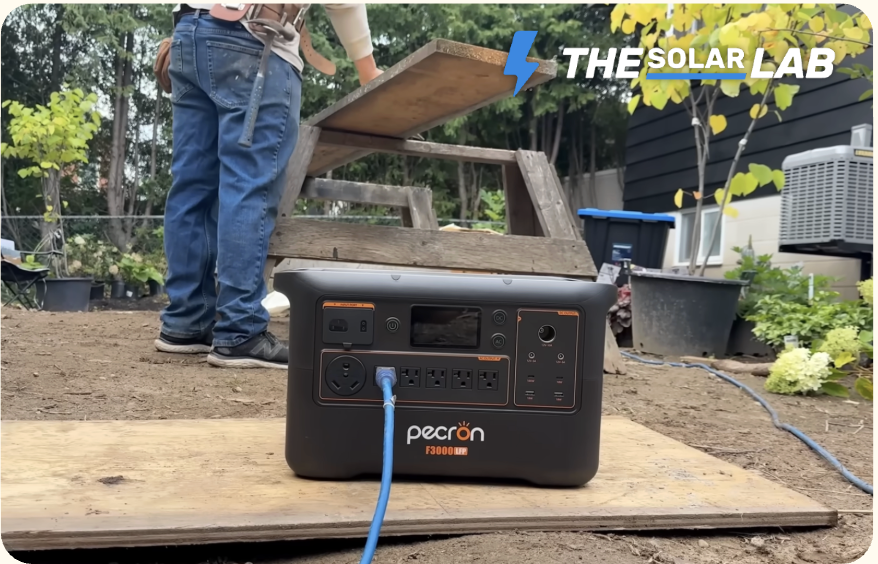
Unlike a home’s built-in wiring system, power stations often have a limited number of outlets. Let’s say you’re using an Anker SOLIX C1000 Gen 2 during a power outage.
Since it only has four built-in AC plugs, and you may want to run your lights, fridge, CPAP, and phone off of it, you might be tempted to plug in a multi-outlet extension cord to expand your available connections.
That’s where things can start to stack up. One cord is supplying power to multiple devices, and sometimes even multiple cords could be plugged into that single extension cord. Each additional connection introduces more resistance and more potential for heat buildup, especially if the wire gauge isn’t adequate for the load.
This is one of the reasons we always talk about outlet availability when reviewing power stations. If you have more AC plugs on the front of your power station, you’ll be less likely to over-rely on extension cords. This means less heat-generating electrical resistance, and fewer opportunities for something to go wrong.
If you’re going to use extension cords, and we realize most people (us included) will, the key is choosing the right one for your setup.
For light-duty use, like running small electronics, a 16 AWG cord is generally fine. If you’re stepping up to moderate loads, such as small appliances or tools, a 14 AWG cord is a better choice.
If you’ve got a high-capacity power station with a powerful inverter, like a Pecron F5000LFP, and you plan on running higher-demand appliances, a 12 AWG extension cord is the safest option.
Matching the wire to the load ensures that the cord can handle the current safely. It also means that if something does go wrong, your power station’s overload protection will actually do its job as intended.
We’re not just writing this to lecture you, but another major issue that is overlooked with extension cords is how dangerous they can be when the lights are out. Let’s say you’re running a lengthy extension cord from your power station during a power outage.
During the outage, your main lights are probably off, making it difficult to see. If you’re also running extension cords across rooms from your power station, it’s going to be very easy to forget they’re there.
Long cords stretched across hallways or living spaces can lead to trips and falls, especially in these low-light conditions. It’s a simple thing, but taking the time to route cords along walls or keep them out of walkways can make a big difference.
This isn’t just important for safety; it also helps keep your setup organized and reliable.
Extension cords are great for temporary setups, but they shouldn’t be a long-term solution. If you find yourself relying on them regularly, it’s worth considering proper wiring instead. This might be less relevant for portable power stations, but we’ve seen a lot of sketchy traditional solar and backup power systems that rely way too heavily on extension cords.
Trust us, running correctly rated wire and following local electrical codes isn’t as complicated as it might seem, and it eliminates many of the risks that come with over-reliance on extension cords. It also gives you a cleaner, more efficient system that’s built to handle your actual power needs.
Extension cords aren’t inherently dangerous, but they’re often used in ways that push them beyond their limits. Most people assume all extension cords are safe, as they’d just trip if they were being used beyond what they’re capable of, but that’s just not the case.
The most important thing to remember is that your breaker or power station only protects itself, it doesn’t protect the cord you plug into it. If that cord isn’t rated for the load you’re running, it can become a problem without any warning.
Whether you’re using a compact unit like an Anker C300X or a larger system like an EcoFlow DELTA Pro Ultra, taking a few extra minutes to choose the right cord and set it up properly can make all the difference. It’s easy to overlook, but getting it right is a big part of building a safe and reliable backup power system.
Signature Solar: https://signaturesolar.com/system-components/wiring
Use Code: SAVE50SOLARLAB for $50 Off
Shop Solar: https://shopsolarkits.com/collections/solar-cabling
Explore more practical tips, guides, and insights to help you get the most out of solar
More Resources >